
CHAO YACHTING INSIGHTS
US$2.5 Billion for Sale: In Monaco, Time Is Worth More Than Length
Date CHAO YACHTING · Industry insights
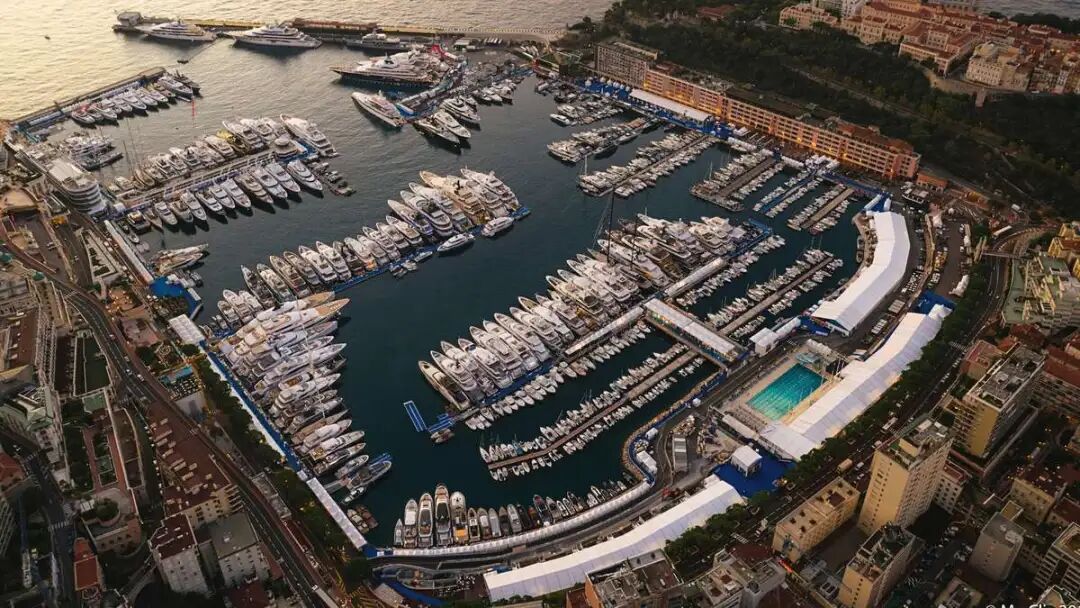
On 26 September, the 35th Monaco Yacht Show closed at Port Hercule. The 111-metre and 102-metre giants still drew the crowds. But when this year’s figures and new yachts are considered alongside the Cannes Yachting Festival two weeks earlier, our view is that delivery time, overall energy efficiency and ease of use are becoming more important measures of a superyacht’s value than length alone.
01 / Industry insights
What the numbers tell us
According to YachtBuyer’s opening-day figures, the harbour held 117 superyachts with a combined length of 5.58 kilometres and an average length of 47.66 metres. Of these, 79 were making their show debut, 46 were delivered in 2026, and two exceeded 100 metres. The fleet’s average age fell from 7.28 years last year to 6.47 years. A younger fleet is consistent with many owners having placed orders during the pandemic.
The two yachts over 100 metres were:
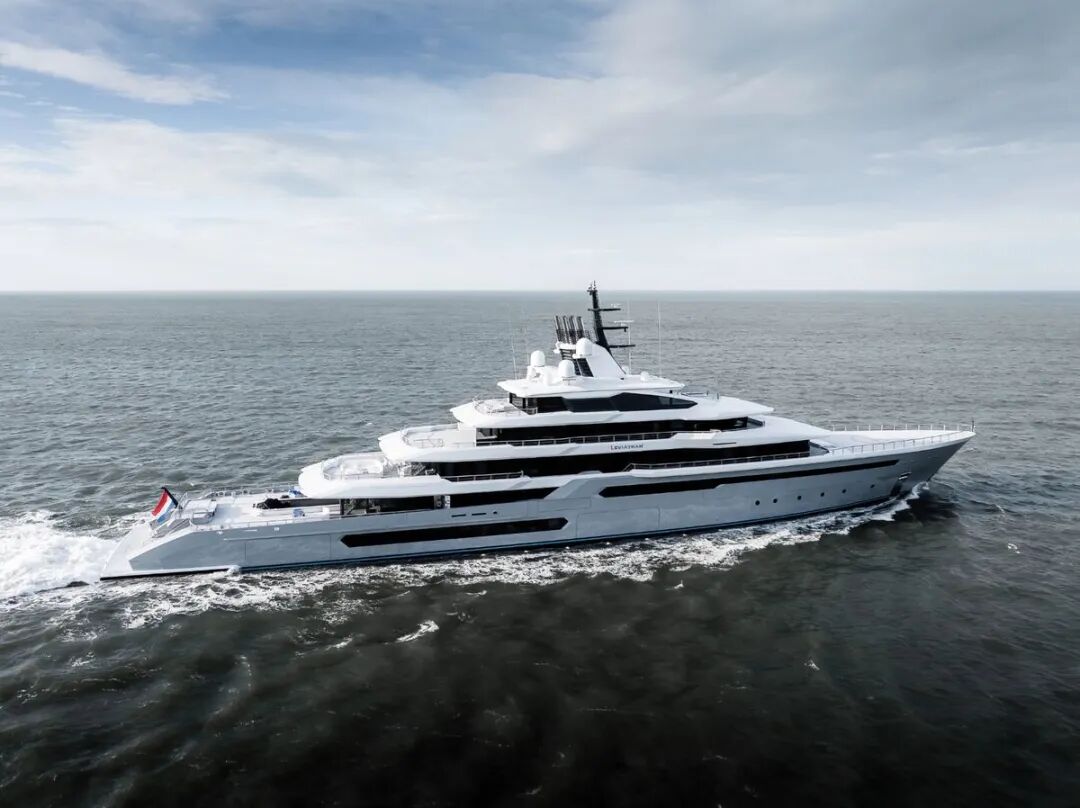
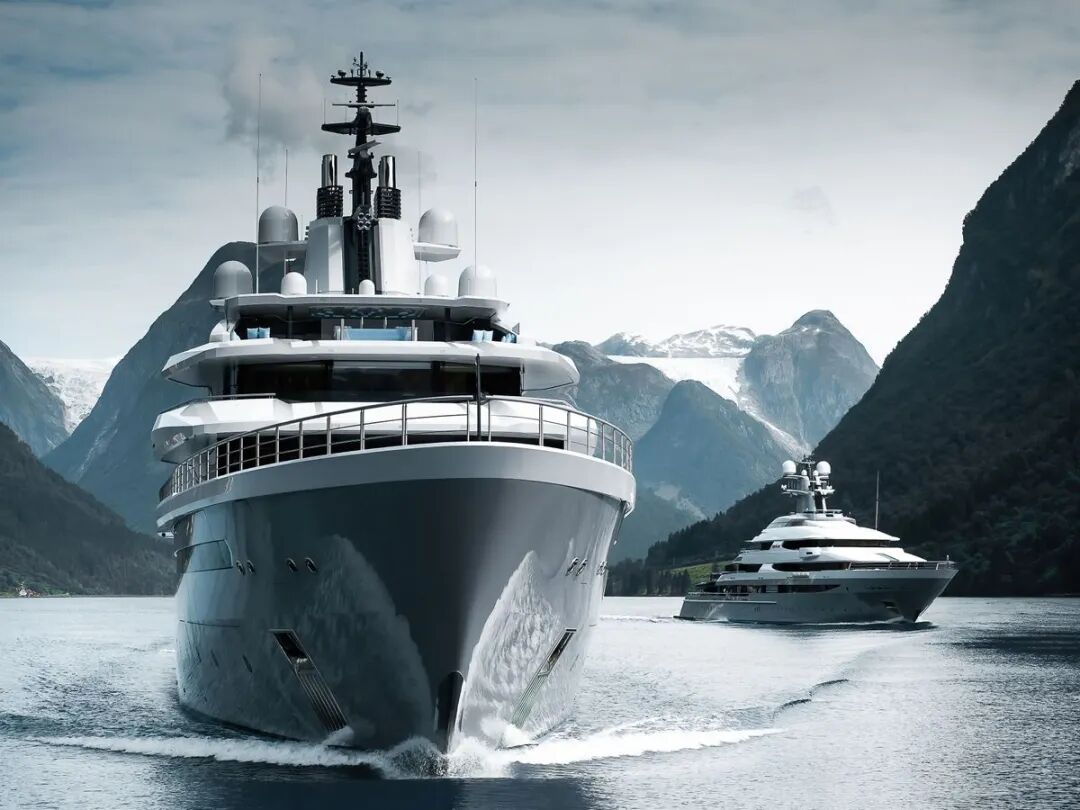
Leviathan: built by Oceanco in the Netherlands, this 111-metre diesel-electric yacht was delivered in November 2025. Her owner is Gabe Newell, co-founder of Valve, the company behind gaming platform Steam, who acquired Oceanco in 2025.
Nixie: built by Germany’s Lürssen, this 102.4-metre yacht was delivered in June. RWD designed both the exterior and interior. She has a 270-square-metre beach club and combines diesel-electric propulsion with energy storage.
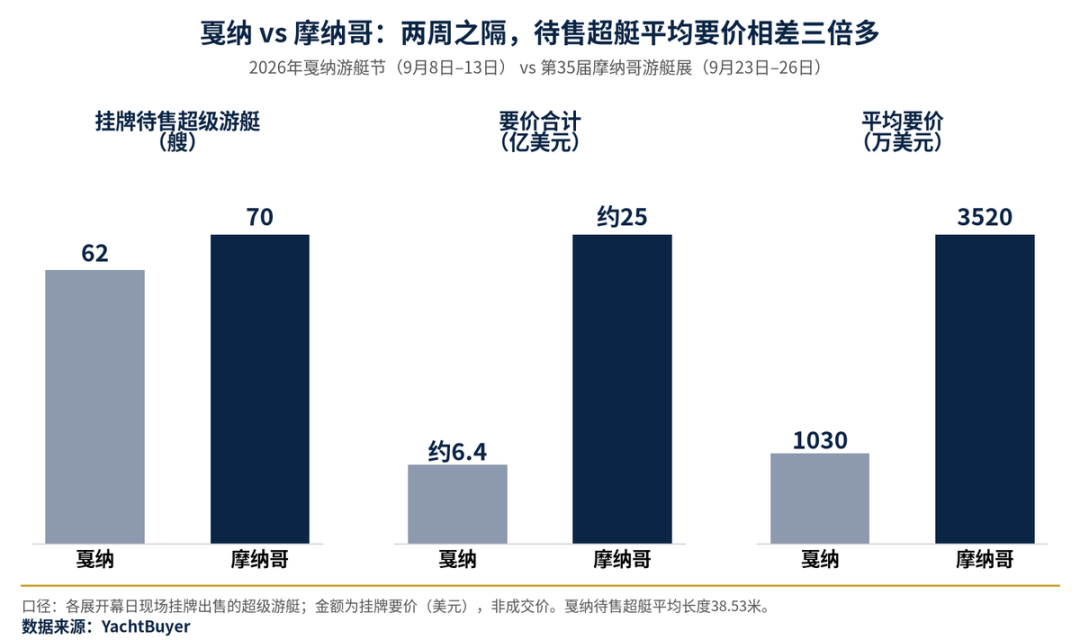
The sales figures deserve a closer look. The same survey counted 70 superyachts for sale in the harbour, with combined asking prices of approximately US$2.5 billion and an average of US$35.2 million. The three highest-priced listings were the 72-metre Feadship Vanish at €148 million, the 76.5-metre Feadship Boardwalk V at €135 million, and the 74-metre Amels Synthesis at €132 million—a combined €415 million.
For comparison, the Cannes Yachting Festival, held two weeks earlier from 8 to 13 September, reported approximately 56,000 visitors, around 700 boats and nearly 150 world premieres. According to the organiser’s opening figures, Cannes had 62 superyachts for sale with combined asking prices of about US$640 million, averaging US$10.3 million per yacht and 38.53 metres in length.
The shows were only two weeks apart, yet Monaco’s average asking price was more than three times that of Cannes. Put simply, Cannes is a luxury marketplace spanning entry-level boats through to larger yachts; Monaco is the trading floor at the very top of the pyramid.
02 / Industry insights
Signal one: length matters, but time commands a premium
Why are pre-owned yachts and brokerage fleets so important in Monaco? When the first exhibitor list was released in July, Informa Prestige CEO Toby Moore explained: “Signing for a new yacht at a leading yard today means waiting until 2028 or even later. In that context, the opportunity once a year to see yachts available for near-term delivery, shipyards and brokerage houses together in one harbour is the show’s most immediate and practical value for yacht buyers.”
The context comes from BOAT International’s 2026 Global Order Book, published earlier this year: 1,093 superyachts of 24 metres and above were under construction or on order worldwide, down by 45, or 3.95%, from the previous year. The show organiser described this as a second consecutive annual decline in unit numbers. Yet average length rose to 40.8 metres and average gross tonnage increased from 507 to 551, both record highs. Fewer yachts are being built, but they are getting larger, while leading yards are booked through 2028–2029.
The result is scarcity: new yachts deliverable this year, existing pre-owned vessels and refitted yachts all become more valuable. In the organiser’s first list in July, 38 yachts were presented by brokerage and charter companies rather than shipyards. Their average length was close to 49 metres and their average launch year was 2016. The organiser’s own conclusion was that the show is a place not only to sell the next generation of superyachts, but also to trade the existing fleet. Refitted yachts received a category of their own, under the heading: “Refitted yachts offer what new-build orders cannot: what you see is what you get.”
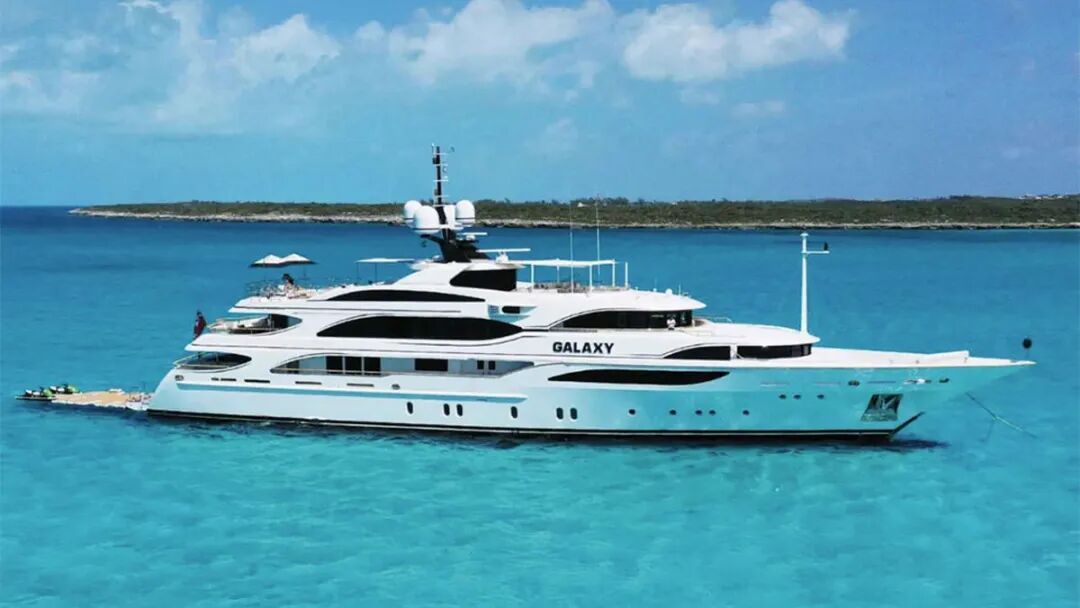
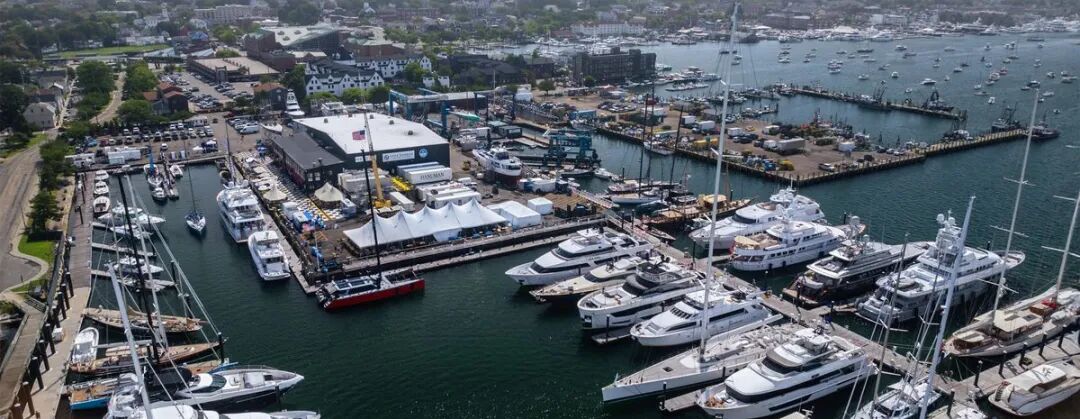
Capital has already picked up on this shift. Galaxy, the 56-metre Benetti built in 2005 and refitted in 2025, was listed by Safe Harbor. On 10 August, the marina and superyacht services company, owned by Blackstone Infrastructure, announced an all-cash acquisition of MarineMax at US$53 per share, valuing the business at approximately US$1.5 billion. MarineMax describes itself as the world’s largest yacht retailer, marina operator and superyacht services company. Its portfolio includes IGY Marinas and the long-established brokerage houses Fraser and Northrop & Johnson. The transaction is expected to close before year-end.
03 / Industry insights
Signal two: cleaner, quieter operation matters more than a bigger pool
Beyond the competition for the largest swimming pool, much of this year’s discussion in the harbour concerned how yachts generate power, save fuel and remain quiet at anchor.
Take Leviathan. Oceanco’s delivery announcement describes a 5.5 MWh battery system that enables silent operation at night. The batteries also provide peak shaving, reducing engine running hours and extending maintenance intervals. Diesel-electric propulsion allows the machinery space to be moved forward, freeing the stern—usually among the most comfortable and least motion-affected parts of a yacht—for guest accommodation. The robot that can hand you a towel is almost a side attraction.

Other yachts approached the challenge in different ways:
The 67.55-metre Amor à Vida is Italian yard CRN’s first hybrid superyacht, recovering waste heat from the engines for reuse on board.
The 62-metre sailing yacht Simena, built by Ares Yachts, uses a parallel hybrid system with a 220 kW electric motor. She can generate electricity through water-driven propeller rotation while sailing and has a range of up to 6,000 nautical miles. She received this year’s special yacht award under the show organiser’s Blue Wake environmental programme.
Blue Wake approved 60 projects this year, each independently assessed by the Water Revolution Foundation. Among them was OceanWings, the rigid wing-sail technology from French design firm VPLP. Operational data indicate savings of 1.3 tonnes of fuel per wing per day, with fuel consumption reduced by 25% to 50%.
Gayle Patterson, Director of Yachting at charter company Pelorus, put it this way: “The yachts with the strongest market appeal in future will not necessarily be the biggest or fastest, but those designed to operate more intelligently.”
Cannes pointed in the same direction: hybrid propulsion, solar power, recyclable batteries, hydrogeneration and recycled materials were widely visible. The organiser also promoted the idea of “slow yachting”, emphasising comfort, quiet operation, energy self-sufficiency and life at anchor. Industry publication Boat Industry offered a useful reminder: no single technology can suit every type of yacht. An eight-metre dayboat and a 40-metre yacht have very different energy needs.
04 / Industry insights
Signal three: from status symbol to a yacht that works—and goes further
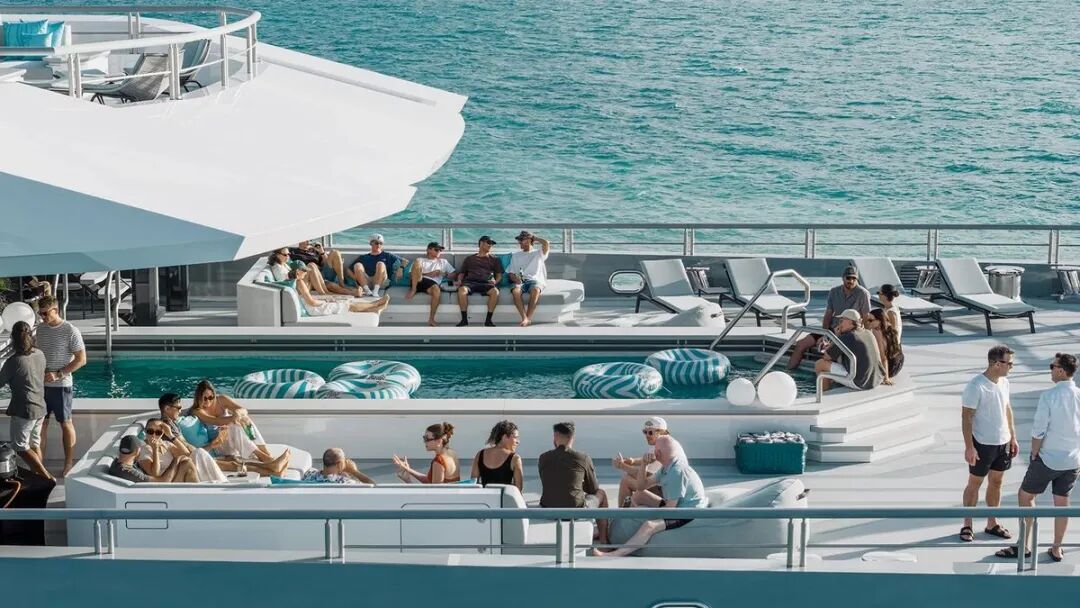
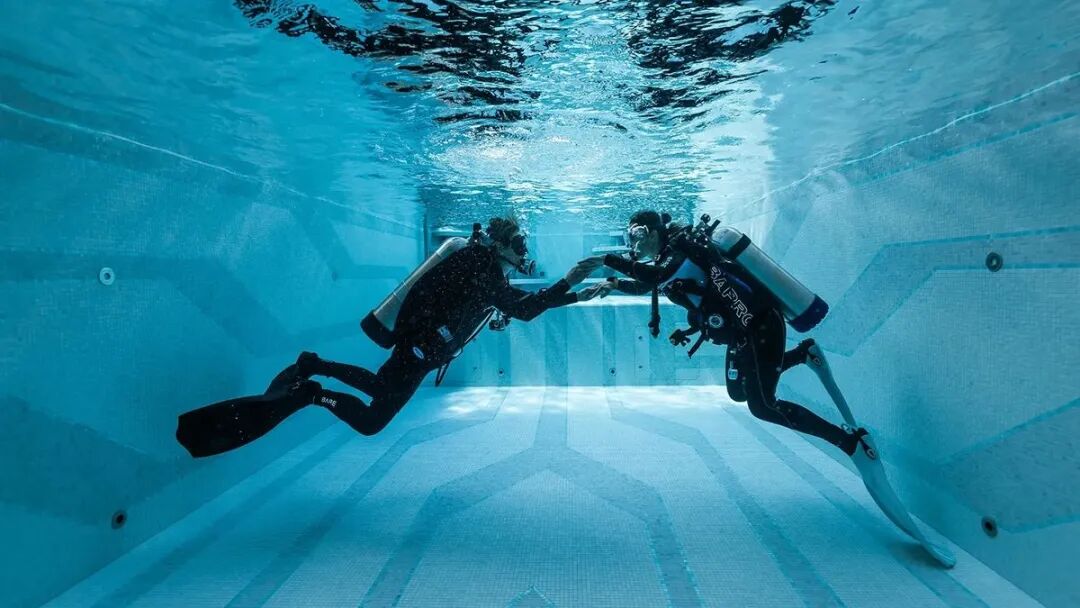
Leviathan’s most unexpected design decision was to replace the conventional superyacht showpiece—the beach club—with a dive centre, laboratory and onboard hospital. A 3D-printing workshop can produce spare parts far offshore. The yacht serves Gabe Newell’s marine research organisation, Inkfish.
Her support yacht, Draak, takes this further. Formerly TRANQUILITY, the 92.8-metre Oceanco had her beach club and spa replaced by a dive centre with a decompression chamber. The main saloon became a large crew mess and a culinary laboratory.
Appearance is also giving way to practicality. Leviathan uses sandblasted stainless-steel rails to reduce polishing, and hard-wearing, easy-to-clean stone. Even the off-white exterior paint was chosen to reduce cleaning demands. These details are designed around the crew—and, ultimately, around long-term operation.
In the mid-size segment, Italy remains the dominant force. The 2026 Global Order Book puts Italian yards at approximately half of global superyacht output. This year’s debuts concentrated on the 40–60-metre range: Baglietto’s 60-metre T60, at around 1,100 GT, is the largest yacht the Italian yard has built; Turkey’s Sirena presented a new 42-metre yacht of 433 GT with a range of approximately 4,000 nautical miles at 10 knots; and new brand GX Superyachts combined hybrid propulsion, batteries and solar power in its first 42-metre aluminium yacht.
05 / Industry insights
What this means for Chinese buyers and importers
First, for buyers who want a superyacht they can use this year, the practical route is a pre-owned purchase followed by a refit, rather than joining a new-build queue. With leading yards booked through 2028–2029, importers need to expand beyond new-yacht representation into sourcing, inspection, refitting and cross-border delivery. Asking prices at Monaco and Cannes offer a direct reference point.
Second, include energy efficiency in the total cost of ownership. In our view, the hot climate and high air-conditioning loads of southern waters, combined with long periods at anchor, may make quiet energy storage and energy-saving equipment even more valuable than in the Mediterranean. At the same time, lithium-battery safety remains an industry-wide learning process. Importers should involve the relevant vessel inspection body early in the assessment.
Third—and this is the fundamental point we return to repeatedly—the bottleneck and the opportunity lie in services. Blackstone’s move on MarineMax illustrates the value international capital places on the combination of marinas, brokerage and superyacht services. Where a yacht can berth, who will manage and maintain it, and who can resell it ultimately determine how large the market can become.
06 / Industry insights
A final thought
When buyers ask how soon they can use a yacht, how efficiently it operates and how far it can travel, rather than simply how large it is, the logic of yacht ownership has changed.
One question to leave with readers: if a diesel-electric superyacht over 100 metres, carrying 5.5 MWh of batteries, sailed into Sanya tomorrow, would our marinas, inspection bodies and service providers be ready? Share your thoughts in the comments.
CHAO YACHTING · Industry insights
Back to news